HS2
A social media strategy for Britain’s most contested infrastructure project, written for the moment it stopped being a plan and started being a building site.
Objective
HS2 is the largest infrastructure programme in modern British history and among the most publicly opposed. It was moving from the planning phase into construction, which changes the communications problem completely: a plan can be argued about in the abstract, but a construction phase produces daily, visible, local consequences.
The brief was a complete social media strategy for that transition, how to communicate genuinely complex engineering progress while protecting a reputation already carrying high negative sentiment and a long list of sensitive issues.
Creative response
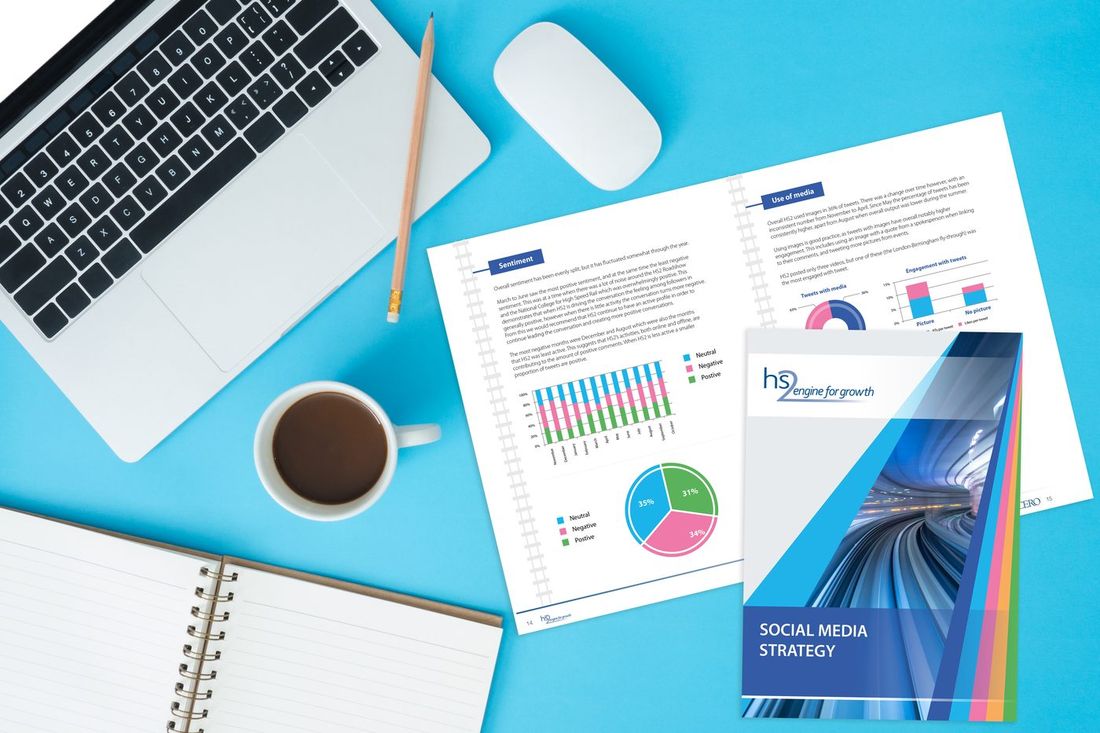
Commissioned to develop the strategy end to end: audit first, benchmark second, strategy document third.
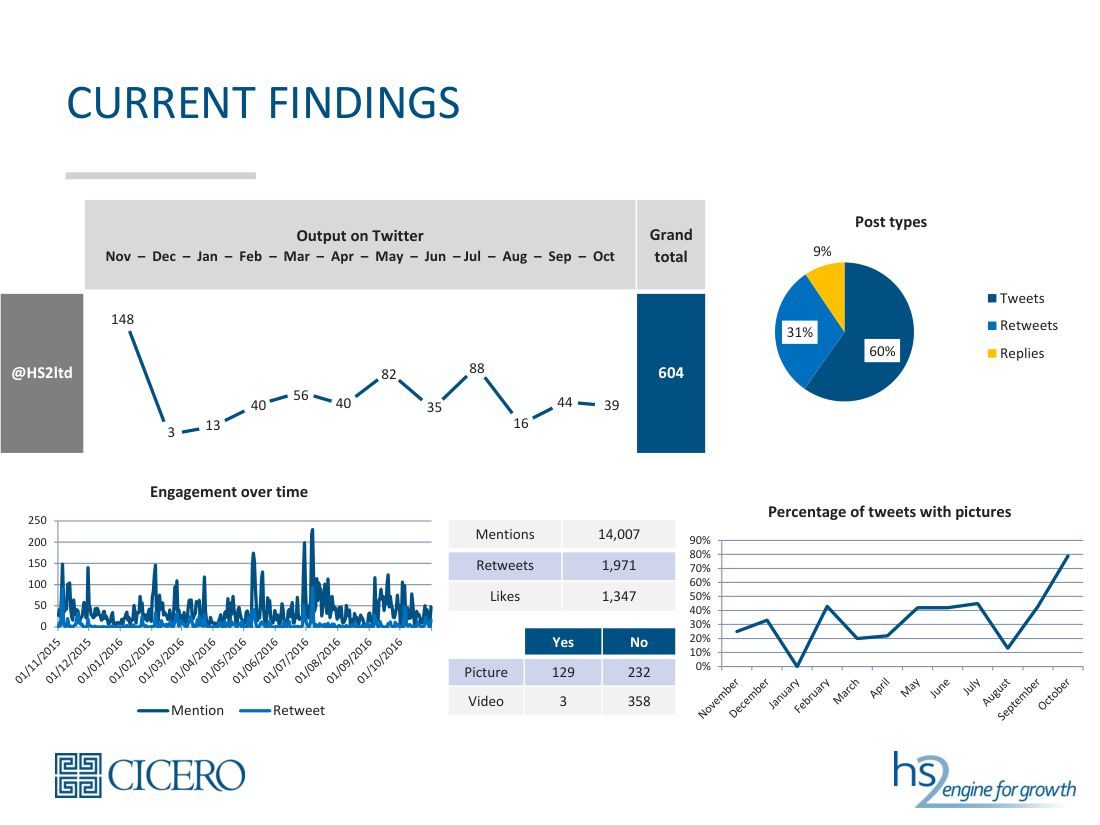
- An audit of everything published to date. In-depth analysis of all past online activity, rather than a forward-looking plan written from assumptions
- Benchmarked outside the sector's comfort zone. Results measured against wider transport and construction organisations, so the comparison was with organisations facing the same physical-disruption problem rather than with other rail bodies
- A strategy document built as a manual, written to be used by the in-house team over a multi-year period rather than presented once and filed
Auditing before strategising is the whole method here, and it is the step most social strategies skip. An organisation with high negative sentiment already has years of evidence about what inflames it and what does not, that evidence is in its own channel history, and it is more reliable than any workshop.
Benchmarking against construction rather than rail was the sharper call. HS2's problem is not that people dislike trains; it is that people dislike what happens outside their window for a decade before the trains arrive. The organisations that have solved that are the ones that build things.
- An audit of everything published to date. In-depth analysis of all past online activity, rather than a forward-looking plan written from assumptions
- Benchmarked outside the sector's comfort zone. Results measured against wider transport and construction organisations, so the comparison was with organisations facing the same physical-disruption problem rather than with other rail bodies
- A strategy document built as a manual, written to be used by the in-house team over a multi-year period rather than presented once and filed
Results
- The document became the manual for HS2's 2017–20 social media strategy, and fed the wider communications strategy beyond social
- Visuals, imagery and video as the primary recommendation, bringing the story to life rather than describing it
- Use the construction itself as the content. Show the network being built and show stages completing, turning the most disruptive phase into the most watchable one
- Planned, regular activity to drive the conversation rather than reacting to it, the recommendation that most directly addresses sentiment on a contested project
2017–20, the strategy period the document was written to cover
ALL, past online activity audited before anything was recommended
TRANSPORT + CONSTRUCTION, the benchmark set, chosen over rail alone
The work